
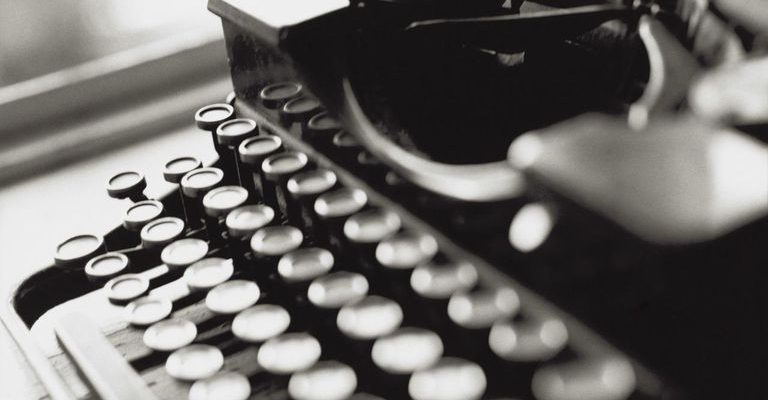
Typing has come a long way from early mechanical writing machines to the computer keyboards and digital devices we use today. The history of typing is closely connected to the development of the typewriter, the QWERTY keyboard, electric typewriters and, eventually, personal computers.
When Was Typing Invented?
The development of modern typing began during the 19th century as inventors experimented with mechanical writing machines.
Christopher Latham Sholes, Carlos Glidden, and Samuel W. Soule developed an important early typewriter during the late 1860s and received a US patent in 1868. Their design was later manufactured by E. Remington & Sons, which introduced the commercially successful Sholes & Glidden typewriter in 1874.
The machine used mechanical arms that printed one letter at a time onto a piece of paper. Early typewriters could be difficult to operate because the mechanical type bars could clash or jam.
The keyboard arrangement eventually developed into the QWERTY keyboard, named after the first six letters on its top letter row. QWERTY became closely associated with the early Remington machines and remains the standard keyboard layout used by millions of people today. The Smithsonian notes that the exact reasons behind the QWERTY arrangement have been debated, although reducing clashes between mechanical type bars is one commonly cited explanation.
Who Invented the Typewriter?
There is no single inventor responsible for the entire history of the typewriter. Inventors in Europe and America experimented with writing machines throughout the 19th century.
Christopher Latham Sholes is one of the names most strongly connected with the modern typewriter. Working with Carlos Glidden and Samuel W. Soule, he helped develop the machine patented in 1868.
James Densmore later invested in the project and encouraged further development of the machine. In 1873, Densmore reached an agreement with Remington to manufacture the typewriter, and the first Remington model went on sale in 1874.
Although it was not the first mechanical writing machine ever created, the Remington-made Sholes & Glidden was the earliest typewriter to achieve significant commercial success. The development of these machines also helped shape the typing and data-entry skills that later became important in offices and administrative work.
When Did Typewriters Become Popular?
Typewriters did not become common immediately.
Early machines were expensive, unfamiliar and sometimes difficult to use. As businesses grew during the late 19th century, however, organisations needed faster ways to manage correspondence, records and paperwork.
By the 1880s and 1890s, typewriters were becoming increasingly important in offices. Typing schools also began appearing, helping create a growing workforce of professional typists, clerks and administrative workers. As workplace roles became more specialised, employers also placed greater importance on selecting people with the right skills for administrative and office-based positions.
The typewriter eventually became a standard piece of office equipment and helped change the way businesses created, stored and communicated written information.
From Manual to Electric Typewriters
Typewriter technology continued to develop throughout the late 19th and early 20th centuries.
In 1902, the Blickensderfer Electric was introduced as an early electric typewriter. It offered features such as a lighter touch and automatic carriage movement, although it was not commercially successful at the time.
Electric typewriters became much more practical and widespread later in the 20th century. They reduced the amount of physical pressure needed to press the keys and made fast, consistent typing easier in offices.
As technology continued to develop, typewriters gradually began to give way to electronic word processors and personal computers. Over time, this wider move toward digital workplace technology also led organisations to adopt tools such as HR management apps to manage employee information and workplace processes more efficiently.
From Typewriters to Computer Keyboards
The rise of personal computers changed the history of typing again.
During the late 20th century, computer keyboards began replacing typewriters in homes, schools and workplaces. Instead of printing each letter directly onto paper, computers allowed users to create, edit, save and reproduce text digitally.
The commercial success of computers opened up computer typing to the world and allowed organisations to automate a range of work-based processes. Today, many organisations rely on connected systems and workplace integrations to help information move more efficiently between different platforms and tools.
Today, it would be difficult to find many office-based roles that do not involve some form of typing. Keyboards are now used across desktop computers, laptops, tablets, smartphones and specialised workplace systems.
Despite the change in technology, one important feature survived the transition from typewriters to computers: the QWERTY keyboard layout.
The Smithsonian notes that modern computers and mobile devices still show a clear technological connection to the typewriter.
Typing History Timeline
Looking at the history of typing as a timeline makes it easier to see how typewriters gradually developed into modern digital keyboards. Here is a quick summary of some important developments in the evolution of typing and the typewriter.
| Period | Development |
| Early to mid-1800s | Inventors experiment with different mechanical writing machines |
| 1868 | Sholes, Glidden, and Soule receive a patent for their typewriting machine |
| 1874 | Remington puts the Sholes & Glidden Type Writer on the market |
| Late 1870s | QWERTY becomes established on early Remington machines |
| 1880s and 1890s | Typewriters become increasingly common in offices and businesses |
| 1902 | Blickensderfer introduces an early electric typewriter |
| Mid-1900s | Electric typewriters become more widely used |
| Late 1900s | Personal computers and computer keyboards increasingly replace typewriters |
| Today | Typing is used across computers, phones, tablets, and other digital devices |
The Remington machine introduced in the 1870s helped establish several features that continued through later generations of typewriters and keyboards.
Why Was the Typewriter Important?
The impact of the typewriter extended well beyond simply making writing faster.
It changed how offices handled correspondence and records, helped businesses process growing amounts of paperwork, and contributed to the development of professional clerical work. The spread of typewriters also created new employment opportunities, particularly for women entering clerical and administrative roles during the late 19th and early 20th centuries.
Many of the habits and technologies associated with modern computer typing can be traced back to these early machines.
Typing Speed and Words Per Minute
Words per minute (WPM) is the common measure of typing speed. Words are standardised to five keystrokes and measured by the amount of text processed in one minute.
Typing speed can vary significantly depending on experience, accuracy, keyboard familiarity and the type of material being entered.
For many roles, particularly in office administration, data entry and other keyboard-intensive jobs, both typing speed and accuracy can be important workplace skills.
A fast typing speed is therefore often seen as useful for roles that involve regular computer use.
PeoplogicaSkills, part of Peoplogica, offers a range of typing assessments including general typing, alphanumeric typing, data entry and audio-based typing. Clients can also create custom typing tests to match the specific typing requirements of a role.
Typing Today
The tools used for typing have changed dramatically, but the history of typing continues to shape how people work and communicate today.
What began with mechanical writing machines now extends to desktop computers, laptops, smartphones, tablets, and other digital devices. Modern users can create and edit information almost instantly, but the familiar keyboard layout still carries more than a century of typewriter history with it.
Typing continues to play an important role in administration, communication, data entry, and many other areas of work. For employers, Peoplogica supports skills assessments for roles where typing speed, accuracy, and other practical capabilities are important.
If you would like to measure your own typing ability, Peoplogica also provides access to a free typing test.
Please try our free typing test to measure your own speed. Results will be emailed to you. If you need any further information on typing metrics, please click here.
| Check Your Typing Speed Here |
Frequently Asked Questions
Q1. When was typing invented?
A: Modern typing developed alongside mechanical writing machines during the 19th century. Christopher Latham Sholes, Carlos Glidden, and Samuel W. Soule developed an influential typewriter during the 1860s, with their machine receiving a US patent in 1868. The technology later became commercially successful when Remington began manufacturing the Sholes & Glidden typewriter.
Q2. Who invented the typewriter?
A: There was no single inventor responsible for every stage of the typewriter’s development. Christopher Latham Sholes is one of the people most closely associated with the modern typewriter. He worked with Carlos Glidden and Samuel W. Soule on an early machine that later formed the basis of the commercially successful Remington typewriter.
Q3. When did typewriters become popular?
A: Typewriters became increasingly popular during the late 19th century as businesses needed faster and more efficient ways to prepare correspondence, documents, and records. By the 1880s and 1890s, typewriters were becoming a common feature of offices and professional administrative work.
Q4. Why was the typewriter important?
A: The typewriter made written communication faster and more consistent. It helped businesses manage growing amounts of paperwork and played an important role in the development of clerical and administrative work. Its influence can still be seen in modern computer keyboards.
Q5. What is the history of the QWERTY keyboard?
A: The QWERTY keyboard layout developed during the early years of the commercial typewriter. It takes its name from the first six letters on the upper letter row. The layout became established through early typewriter machines and continued onto electric typewriters and modern computer keyboards.
Q6. How did typing evolve from typewriters to computers?
A: The history of typing moved from manual typewriters to electric typewriters and eventually to electronic word processors and computers. Computer keyboards allowed users to create, edit, save, and reproduce text digitally, while still retaining familiar features such as the QWERTY keyboard layout.

The faster you can type, the faster you can complete all of these tasks—and the more productive you can be. Typing remains a fundamental skill, and it is still one of the most important computer skills you can learn. Learning to type fast and accurately will help you in many ways in life, and it should be considered an essential skill for anyone who sees themselves working with a computer in some capacity.